Your heart works continuously to keep your body functioning. Healthy lifestyle choices and regular medical care can help reduce cardiovascular risks and support long-term wellness.
Why Is Heart Health Important?
Your heart plays a vital role in circulating blood, delivering oxygen, and supplying nutrients throughout your body. Maintaining cardiovascular health is essential for overall well-being.
Heart disease refers to several conditions that affect the heart and blood vessels. Some risk factors can be managed through lifestyle changes and medical care, while others may be influenced by age, family history, and genetics.
Common Risk Factors for Heart Disease
Several factors may increase the risk of developing cardiovascular problems, including:
- High blood pressure
- High cholesterol
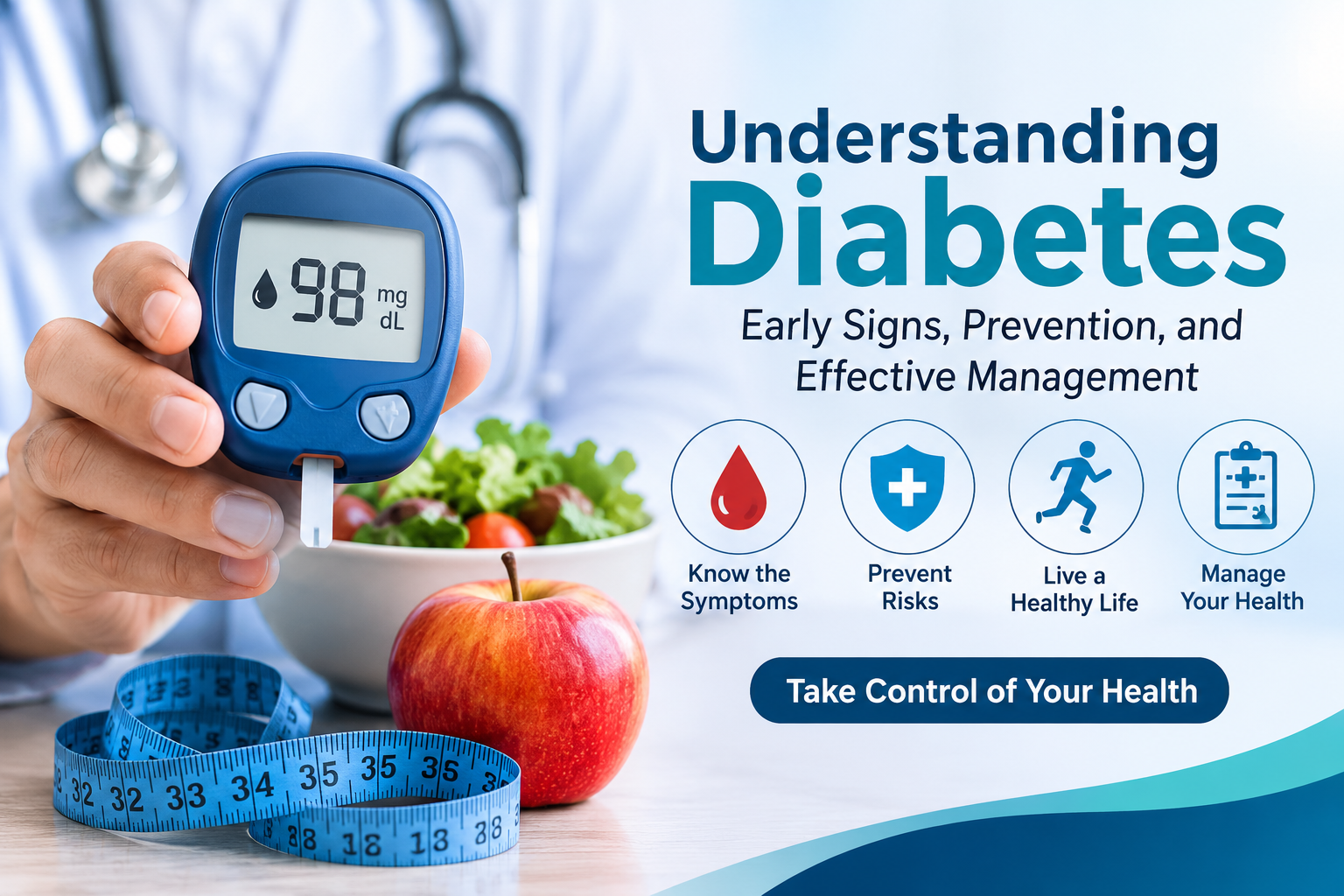
- Diabetes
- Smoking
- Physical inactivity
- Excess body weight
- Unhealthy eating habits
- Family history of heart disease
Understanding your personal risk factors can help you and your healthcare provider make informed decisions about prevention and care.
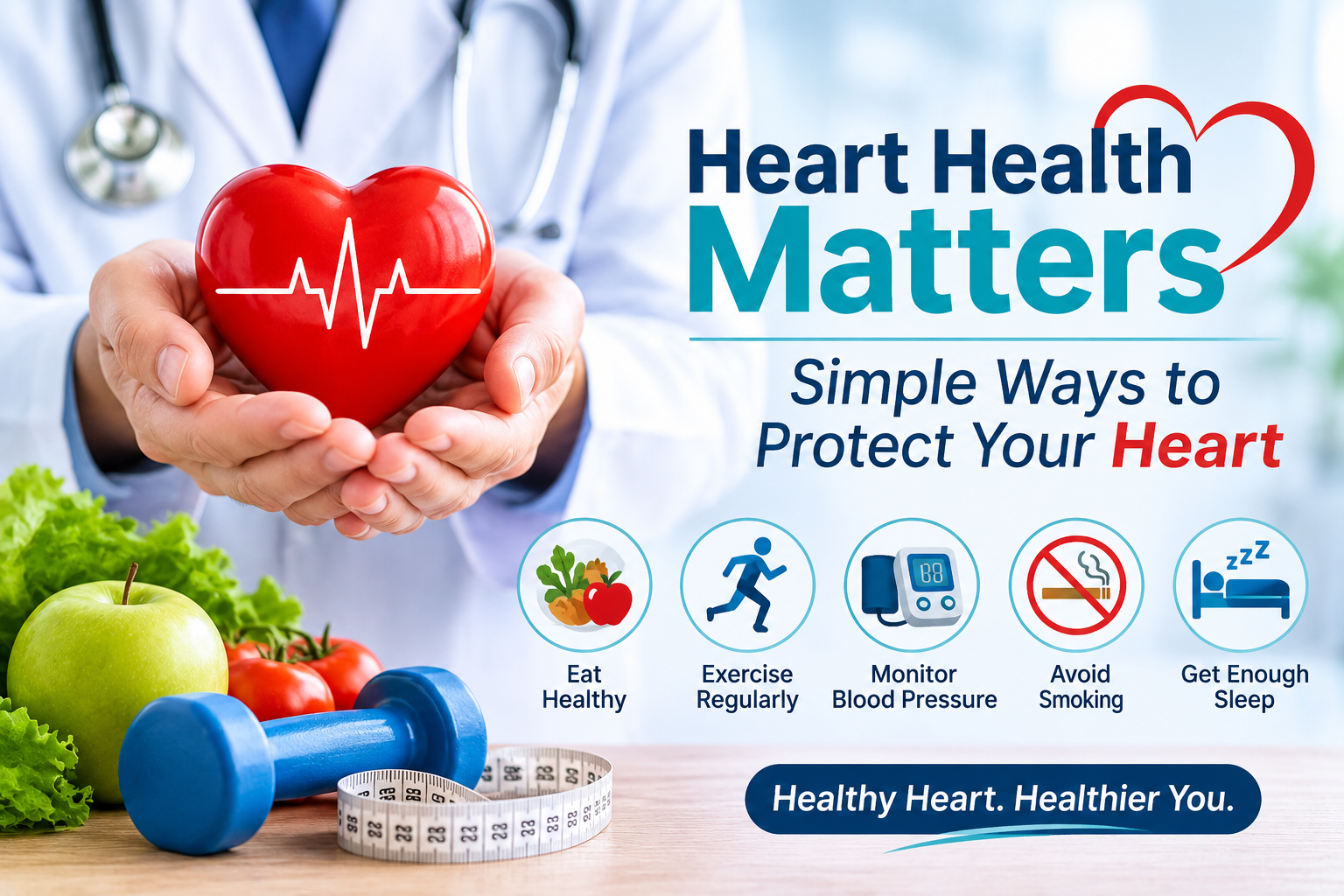
Five Ways to Support a Healthy Heart
1. Eat Heart-Healthy Foods
Choose fruits, vegetables, whole grains, nuts, and lean protein. Limit excess sodium, saturated fats, and highly processed foods.
2. Exercise Regularly
Regular physical activity supports circulation, blood pressure, and overall cardiovascular fitness. Choose activities that are appropriate for your health and fitness level.
3. Monitor Blood Pressure and Cholesterol
High blood pressure and high cholesterol may not cause noticeable symptoms. Regular screening can help identify potential concerns early.
4. Avoid Smoking
Smoking damages blood vessels and increases cardiovascular risk. Quitting can improve heart health at any age.
5. Manage Stress and Get Enough Sleep
Healthy sleep habits and stress-management techniques can support your overall cardiovascular wellness.
Know the Warning Signs
Possible warning signs of a heart attack include chest discomfort, shortness of breath, pain or discomfort in the arms, back, neck, jaw, or stomach, cold sweats, and nausea.
If you think you or someone else may be having a heart attack, call 911 immediately. Do not wait for symptoms to disappear.
Make Heart Health Part of Your Routine
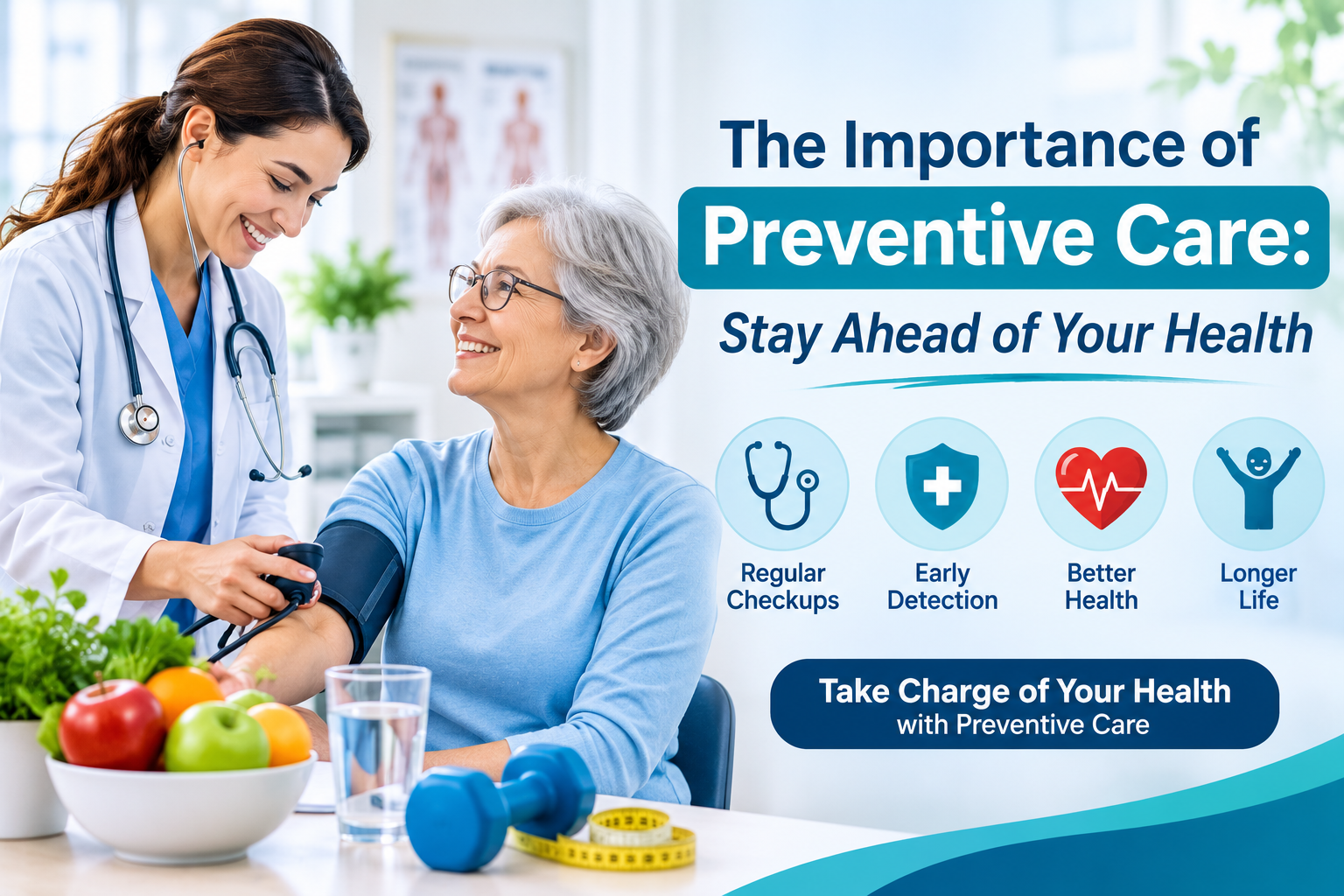
Preventive healthcare can help identify risk factors before they become more serious. Regular checkups allow your healthcare provider to review your blood pressure, cholesterol, blood sugar, and overall health.
VitalHub MD encourages patients to take an active role in their cardiovascular health through preventive care and appropriate medical support.
Schedule a visit with VitalHub MD and take a proactive step toward better health.
Medical Disclaimer: This article is for general educational purposes only and is not a substitute for professional medical advice, diagnosis, or treatment.